As one of China's most renowned manufacturers of bridge cranes and
gantry cranes-Weihua Crane Group, we are frequently asked by crane buyers: How do I choose between bridge cranes and
gantry cranes? While they may seem functionally similar in workshops, ports, and other similar settings, they are fundamentally different in both structural principles and application scenarios. Weihua Crane Group will provide detailed guidance on how to select the appropriate crane type based on your crane procurement needs.
1. Key Structural Differences:
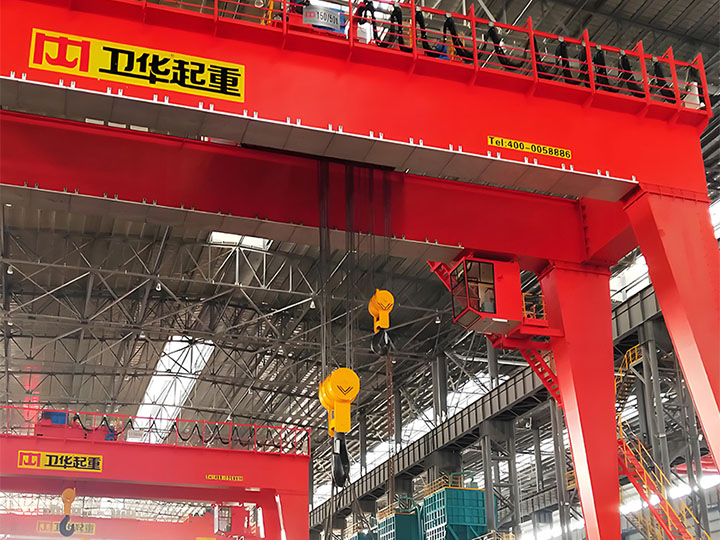
Bridge cranes utilize elevated rail supports with no legs beneath the bridge, relying on the building structure for load-bearing capacity. They are suitable for precision indoor lifting. A typical example is material handling in a machinery manufacturing workshop, making full use of the factory's longitudinal space.
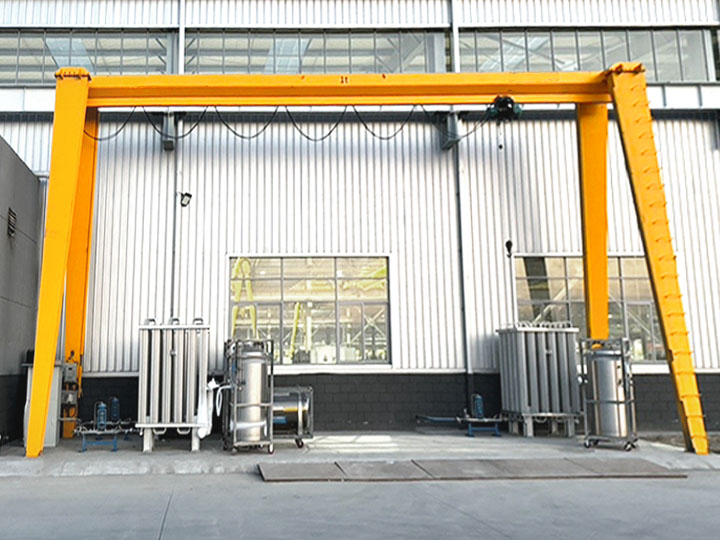
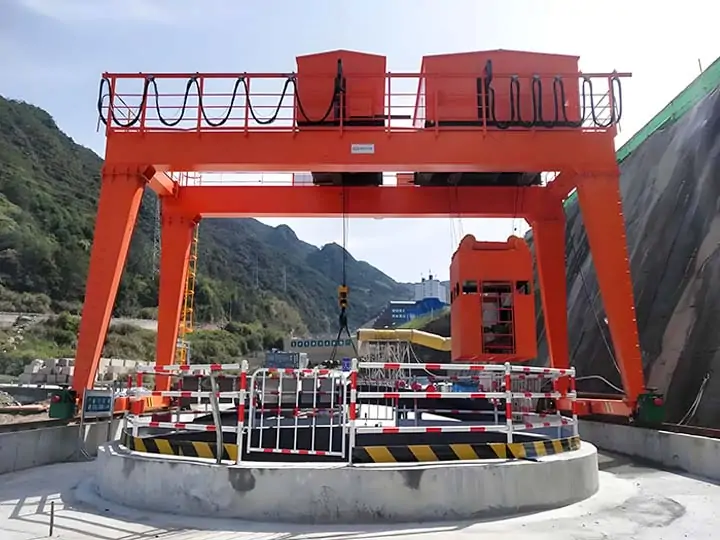
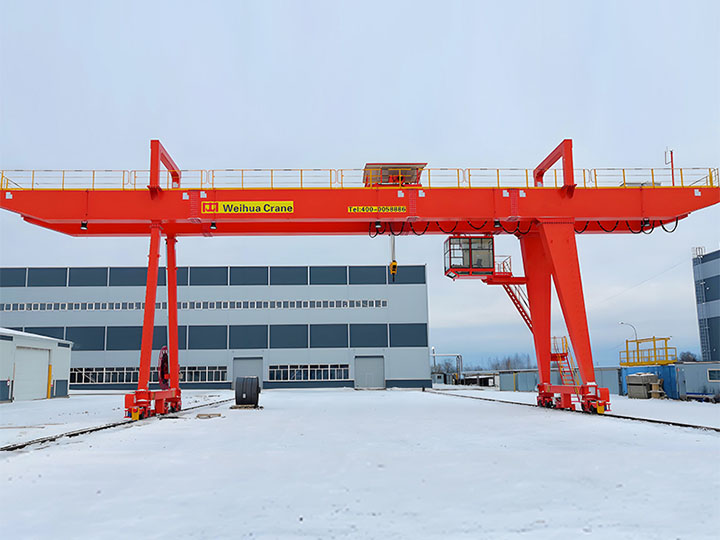
gantry cranes, on the other hand, have a frame structure formed by ground-mounted rails and legs, with a cantilevered main beam extending their working range. A typical application is container handling in ports, where
gantry cranes can perform cross-area operations directly on the ground.
2. Crane operating site conditions
| Venue type |
Recommended crane type |
Advantages |
| The factory workshops and buildings already have elevated tracks. |
overhead crane |
Save land costs |
| Open-air venue/without building support |
gantry crane |
Flexible |
| Large-span scenarios such as ports, railways, and freight yards |
gantry crane |
Large span |
3. Typical Application Scenarios
Typical Application Scenarios of Bridge Cranes
Heavy Industry Manufacturing: In steel plants, they handle high-temperature, high-risk operations such as molten steel ladle lifting and slab turning, reaching a working level of A8 (heavy load).
Precision Assembly: Bridge crane in turbine assembly workshops, micro-motion control achieves 0.02 mm-level clearance fit between the rotor and cylinder.
Warehousing and Logistics: In automated storage and retrieval systems (AS/RS), they work with RGVs/AGVs to achieve rapid cargo turnover, increasing efficiency by 40% compared to traditional methods.
Field Adaptability of
gantry cranes
Port Logistics: In container terminals,
gantry cranes and rail-mounted
gantry cranes work together, with a single machine handling up to 300,000 TEUs annually.
Energy Construction: At wind power installation sites,
gantry cranes equipped with superlift devices can lift 120-meter-class wind turbine blades.