The selection of
overhead crane is a crucial project, improper selection can lead to wasted investment or serious safety hazards. Before purchasing overhead travelling cranes/bridge crane, it is essential to accurately match the actual working conditions with the equipment's core parameters, working class, and structural form. This vital
overhead crane parameter information should be sent to a qualified
overhead crane manufacturer(WEIHUA GROUP) to obtain professional technical solutions and calculations, ensuring an efficient and reliable selection and procurement process.
To help
overhead crane/bridge crane purchasers complete the crane selection process more smoothly, we have broken down the selection process into the following four key steps:
I. Define Operating Requirements
This is the starting point for equipment selection. The following questions need to be answered first:
Crane Lifting Capacity: What is the maximum weight of the goods to be lifted? Please ensure this includes the weight of the lifting equipment (such as hooks, grabs, and electromagnetic chucks).
overhead crane Lifting Height: What is the maximum height the goods need to be lifted? This determines the rope capacity of
overhead crane drum and the travel of the lifting mechanism.
Bridge Crane Span: What is the distance between the center lines of the two tracks in the workshop? This determines the length and structure of
overhead crane main beam.
Working Frequency: Is the equipment used occasionally (e.g., in a maintenance workshop) or operates continuously 24 hours a day (e.g., in a steel plant or dock)? This is crucial in determining the overhead bridge crane 's lifespan.
Environmental Factors: Is the working environment indoors or outdoors? Are there high temperatures (e.g., in steel mill smelting), flammable or explosive gases/dusts (e.g., in chemical plants), corrosive chemicals, or high humidity present?
2. Determining Core Equipment Parameters
This is the core technical aspect of equipment selection, determining the performance and lifespan of the bridge crane.
Determining the Working ClassMany people only consider lifting capacity when selecting 3-800 ton crane, but cranes are classified according to their workload and load capacity. Choosing the wrong class can lead to premature failure of the motor and brakes due to overheating, or fatigue cracking of the metal structure. Classes are divided into A1 to A8:
A1 - A3 (Light): Rarely used, or only lifting very light goods. Examples: maintenance cranes, installation cranes in hydroelectric power stations.
A4 - A5 (Medium): Intermittent use, sometimes lifting full load. Suitable for: general machining workshops, warehouses, assembly workshops.
A6 - A7 (Heavy): Frequently operating at full load continuously. Suitable for: steel mills, shipyards, scrap yards, container terminals.
A8 (Extra Heavy): All-weather, full-load continuous operation, even high-speed operation. Suitable for: automated metallurgical production lines, dedicated docks.
Matching Operating SpeedSpeed is directly related to the job class. Higher job classes require higher lifting speeds and trolley/gantry travel speeds to improve operational efficiency. For example, heavy-duty cranes are equipped with more powerful motors and frequency converters to achieve rapid start-up and shutdown.
3. Choosing the Appropriate Structure Type
After determining the parameters, select the most economical structure based on the actual application scenario.
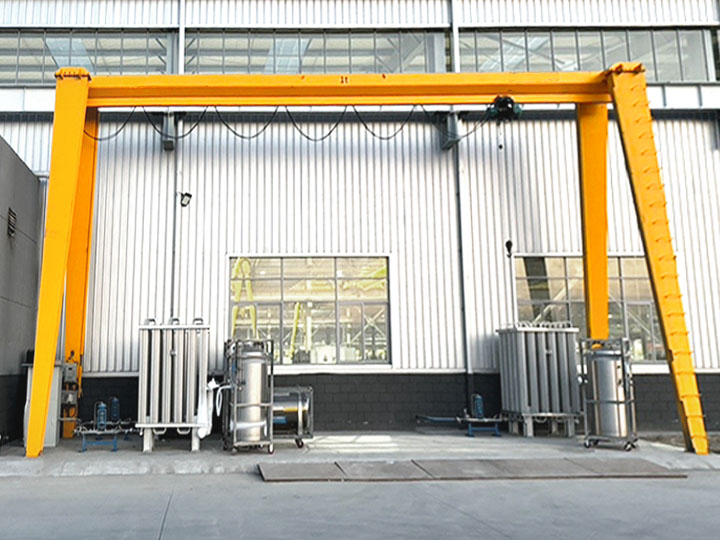
Single Girder overhead craneFeatures: Simple structure, low cost, low wheel pressure, but lifting capacity and working class are usually limited.
Applicable Scenarios: Lifting capacity generally ≤20 tons, span ≤35 meters, working class is light or medium. Ideal for processing workshops, warehouses, and maintenance areas in general manufacturing industries.
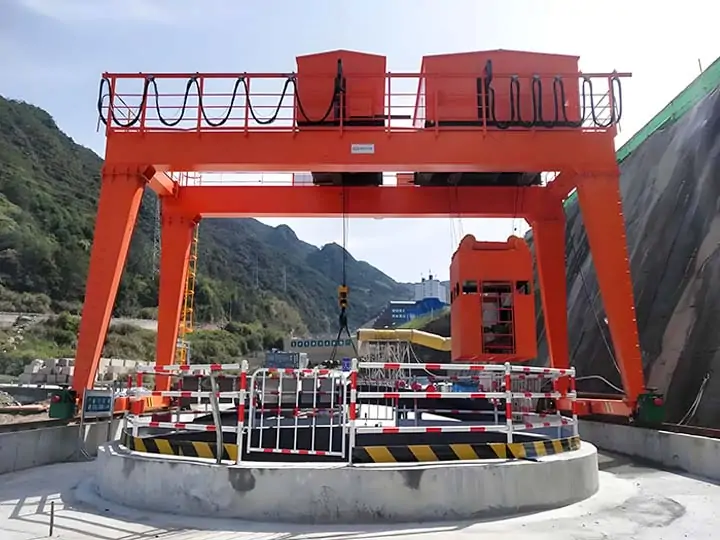
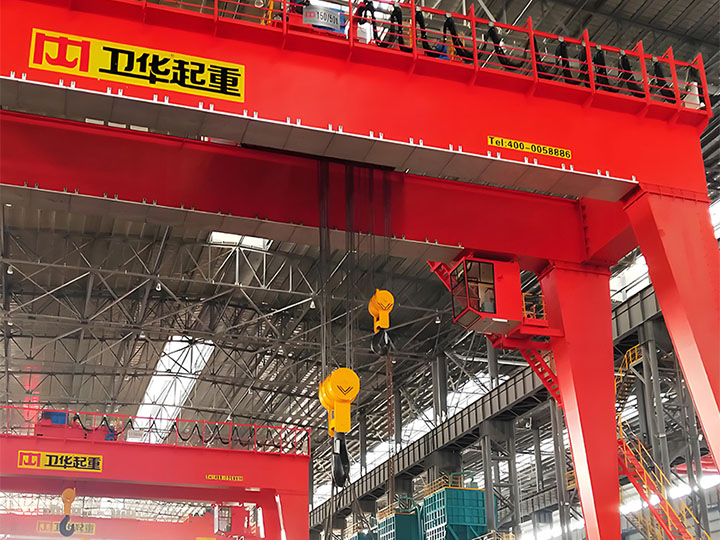
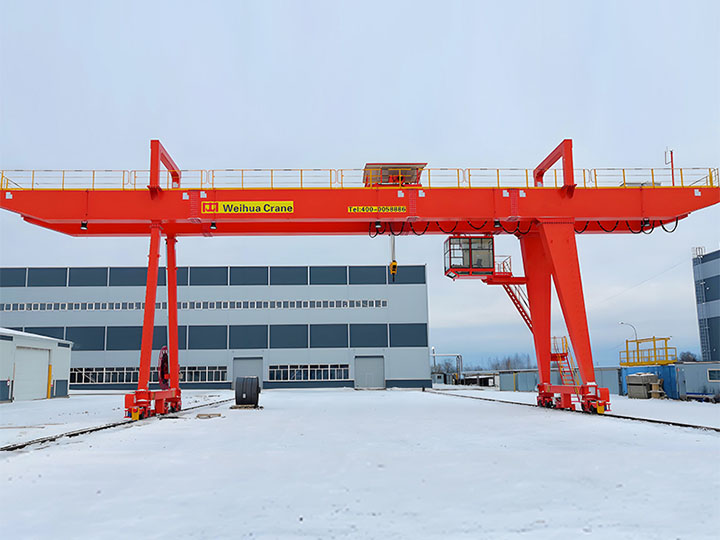
Double Girder Overhead Bridge CraneFeatures: More robust structure, stronger load-bearing capacity, better stability, lower trolley height allows for increased lifting height, and can adapt to heavy and extra-heavy lifting tasks.
Applicable Scenarios: Larger lifting capacity (from 5 tons to over 800 tons), or working classes A6-A8. Commonly used in heavy industries such as steel, shipbuilding, machinery manufacturing, and docks.
Special-Purpose CranesGrab Bridge Crane: Used for loading and unloading bulk materials such as coal, ore, and sand; working class is usually A6 or higher.
Electromagnetic cranes: Used for handling magnetic materials such as steel plates and scrap steel; their working class is typically A6-A7.
Metallurgical cranes: Used for lifting molten metal (such as molten iron and steel); they have extremely high safety requirements, typically a working class of A7-A8, and feature special heat insulation and splash protection designs.
Explosion-proof cranes: Used in locations with explosive gases or dust (such as chemical plants and paint shops); all electrical components are explosion-proof.
Insulated cranes: Used in workshops such as aluminum electrolysis plants to prevent high currents from damaging equipment or injuring personnel.
4.Considering Supporting Systems and Safety Configurations
Finally, equip the bridge crane with a complete "brain" and "protective umbrella." Weihua Group's bridge crane safety configuration advantages are mainly reflected in two aspects: intelligent active protection and high-standard hardware. Its independently developed AICrane intelligent control system, through high-precision anti-sway technology (handling error less than 2 mm), the ASW intelligent positioning system (capable of setting 100 target positions), and fault self-diagnosis and remote monitoring functions, achieves an upgrade from passive protection to active prevention.
Electrical Control SystemThis is the brain of the crane. Modern cranes mostly use PLC (Programmable Logic Controller) and frequency converter control. Frequency converter control enables smooth start-stop, precise positioning, reduces impact on goods and structures, and extends equipment life, making it especially suitable for heavy-duty work and precision lifting.
Safety DevicesSafety is the bottom line for selection; the following devices are indispensable:
Limit Switches: Prevent the hook from rising or falling to its extreme position (including counterweight and screw types; double protection is recommended).
Overload Limiter: Issues an alarm and cuts off the lifting circuit when the lifting weight exceeds the rated value.
Buffers: Installed at both ends of the end beam to reduce the impact of collision when the trolley reaches the end point.
Brakes: The lifting mechanism must be equipped with normally closed brakes; heavy-duty or metallurgical cranes require dual brakes.
Others: Door interlock switches, emergency stop buttons, anti-skewing devices (for large spans), etc.
Special Environment ConfigurationHigh-Temperature Environments: Motors and electrical components must be equipped with heat insulation panels, and high-temperature resistant cables must be used.
Corrosive Environments: Steel structure surfaces require special coatings or the use of stainless steel materials; electrical protection levels must be increased.
Explosion-Proof Environments: All components must obtain the corresponding explosion-proof certification.
When purchasing overhead bridge cranes, price is a key consideration for customers.
overhead crane prices vary significantly, primarily influenced by factors such as lifting capacity, structural design, working class, and customization requirements. Weihua Group can provide comprehensive design solutions and customization services. For accurate bridge crane cost, it is recommended to directly provide Weihua Group (
weihua@craneweihua.com) with detailed operating parameters and customization requirements to obtain a tailored solution and quote.